There are growing reports that the dire wolf, a massive North American predator extinct for thousands of years, may return through genetic resurrection. This blog explores the scientific foundation of the dire wolf revival project and similar cases of species restoration.

🐺 What Is a Dire Wolf?
- Scientific Name: Aenocyon dirus
- Period: Approximately 250,000 to 9,500 years ago (Late Pleistocene)
- Habitat: Across North America (many fossils found at the La Brea Tar Pits)
- Features: Larger and more muscular than modern gray wolves, with extremely strong jaws
→ Popularized by the series “Game of Thrones,” real dire wolves were genetically distinct from gray wolves and not direct ancestors.
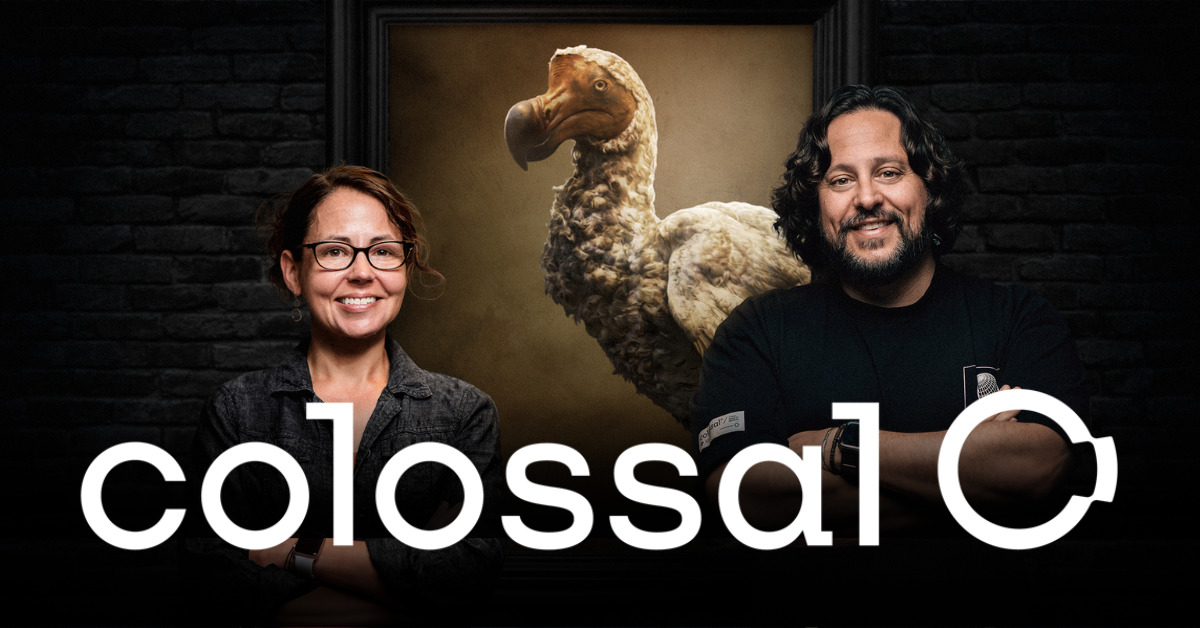
🏢 Colossal Biosciences: Company Overview
Colossal Biosciences is a pioneering de-extinction biotechnology company founded in 2021 and based in Texas, USA. The company aims to restore extinct species and apply next-generation gene editing to address ecological and biomedical challenges.
- Founders: Ben Lamm (Tech entrepreneur) & George Church (Harvard geneticist)
- Core Mission: Species de-extinction, ecosystem restoration, gene-editing solutions for high-risk pathogens
- Major Projects:
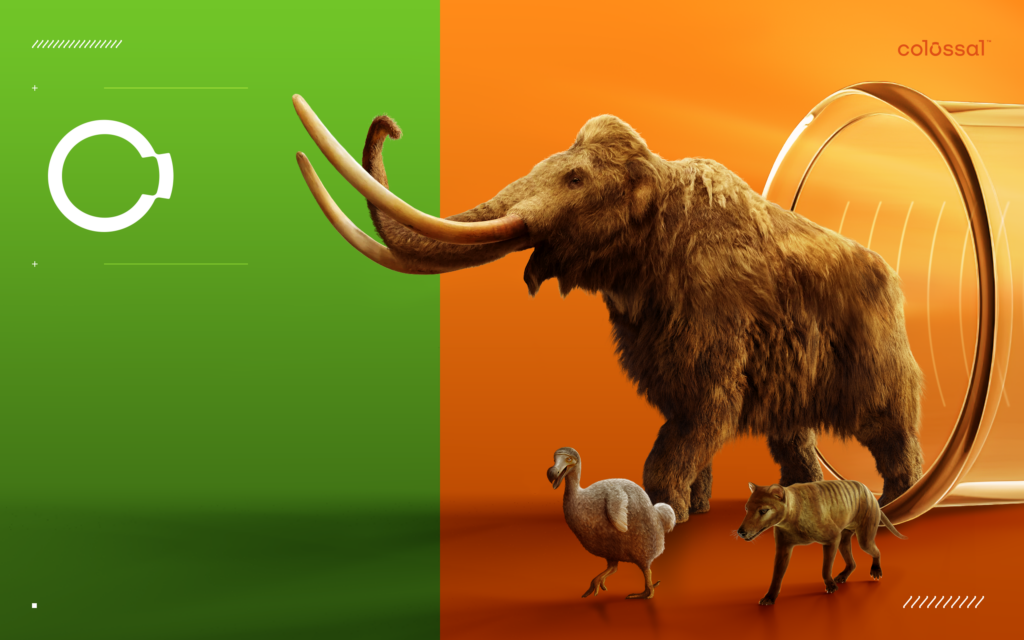
- Woolly Mammoth revival (targeting real-world specimen by 2028)
- Thylacine (Tasmanian Tiger) cloning project
- Dire Wolf restoration initiative
- Funding: Over $220 million raised as of 2024, with investors including Draper Associates and Breyer Capital
- Key Technologies: CRISPR-based gene editing, synthetic biology, ancient DNA reconstruction algorithms
→ Colossal is not merely chasing "Jurassic Park" dreams — its core philosophy is to use genetics to combat climate change and restore lost ecological balance.
🔬 Overview of the Dire Wolf Revival Project
- Lead Organization: Colossal Biosciences (USA)
- Scientific Basis: Ancient DNA reconstruction, CRISPR gene editing, cross-species embryo implantation
- Goal: To recreate a lifeform closely resembling the dire wolf in form and ecological function, using gray wolf DNA as a template
▶ Key Steps
- Analyze ancient DNA fragments extracted from fossils
- Edit and integrate segments into gray wolf or related genomes
- Implant edited embryos into surrogate animals for gestation
→ Rather than a perfect clone, the aim is to create a functional proxy organism resembling the dire wolf
🔁 Similar Revival Cases
SpeciesDescriptionStatus
| Woolly Mammoth | Siberian fossil DNA + Asian elephant genome | Targeting first specimen by 2028 (led by Colossal) |
| Pyrenean Ibex | Cloned in 2003 but died minutes later | First case of "revival and re-extinction" |
| California Condor | Revived from extreme inbreeding | Ongoing gene diversity management |
| Cloned piglet "Zippy" | Gene-edited in China to study extinction causes | Multiple specimens alive |
🧪 Is Dire Wolf Resurrection Truly Possible? Scientific Analysis
So far, the project is not producing a "true resurrection" but a genetically engineered organism modeled after the dire wolf.
▶ Scientific Realities
- 1. DNA Degradation: Most ancient DNA is fragmented, making full genome recovery difficult
- 2. Genome Substitution: Editing gaps with modern species DNA leads to hybrid organisms, not authentic revivals
- 3. Phenotype Focus: Size, fur, and build may be replicated, but behavior and ecological roles are unpredictable
Ultimately, current technology does not allow full resurrection, but it can produce a modern analog or proxy species.
🧬 Scientific & Ethical Considerations
- Ecological Disruption: Introducing an extinct predator may destabilize modern ecosystems
- Ethical Debate: Questions about resurrecting species not driven extinct by humans
- Technical Limits: Partial genomes = creative biology, not actual revival
→ However, this field has broader applications: conserving endangered species, biomedical innovation, and human gene therapy.
✅ Conclusion: Can the Dire Wolf Come Back?
The dire wolf revival project is a real-life Jurassic Park experiment, but it symbolizes more than just curiosity.
Resurrecting extinct species marks the frontier of biotechnology and may represent a shift from natural restoration to engineered evolution.
📌 The key question may no longer be whether we can do it — but whether we’re ready to live with what we create.